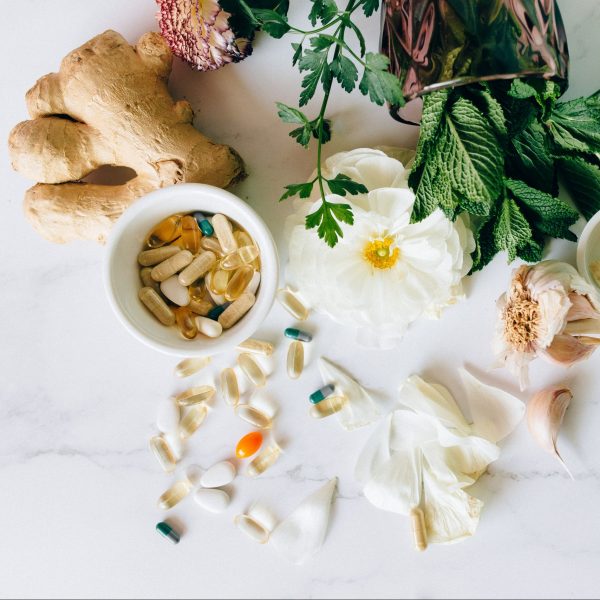
Is there just one vitamin good for fertility? There is no magical pill or Vitamin F for fertility but a combination of vitamins and minerals definitely have an impact on fertility. They are easy to take yet there are so many to choose from. How do you know which vitamins are good for fertility? How much do you take?
“A study performed by Harvard medical school has shown that taking multivitamins improve chances of pregnancy. “
Here is a listing of the most essential vitamins and minerals you will need to take on a daily basis to increase fertility and have a powerful reproductive system!
Antioxidants, Vitamins & Minerals for Fertility
Vitamin D: Vitamin D is needed to help the body create sex hormones which, in turn, affects ovulation and hormonal balance. Yale University School of Medicine conducted a study of 67 infertile women, where it was discovered that a mere 7% had normal Vitamin D levels.
Food sources: Eggs, fatty fish, dairy, and cod liver oil. You can also get vitamin D from sitting out in the sun for 15 to 20 minutes per day. But absorption is impacted by the darkness of your skin.
Vitamin E: Has been shown in studies to improve sperm health and motility in men. Studies have shown a diet deficient in Vitamin E to be a cause of infertility in rats. The meaning of the name for vitamin E ‘Tocopherol’ literally means to bear young. Vitamin E is also an important antioxidant to help protect sperm and egg DNA integrity.
Food sources: Sunflower seeds, almonds, olives, spinach, papaya, dark leafy greens.
CoQ10: Necessary for every cell in the body having energy to function, CoQ10 has also been shown in studies to increase sperm motility in semen. It is also an important antioxidant that helps to protect cells from free radical damage. This may impact egg health as well.
Food sources: Found in seafood and organ meats. Amounts in the body decline with age.
Vitamin C: Vitamin C improves hormone levels and increases fertility in women with luteal phase defect, according to a study published in “Fertility and Sterility”. As for men, vitamin C has been shown to improve sperm quality and protect sperm from DNA damage, helping to reduce the chance of miscarriage and chromosomal problems. Vitamin C also appears to keep sperm from clumping together, making them more motile.
Food sources: Abundant in plants and fruits including red peppers, broccoli, cranberries, cabbage, potatoes, tomatoes, and citrus fruit.
Lipoic Acid: Lipoic acid is a very important antioxidant because it not only helps to protect the female reproductive organs and has been shown to improve sperm quality and motility, but it also helps the body to continually re-use the antioxidants in the body.
Food sources: In small amounts found in potatoes, spinach and red meat.
B6: Vitamin B6 may be used as a hormone regulator. It also helps to regulate blood sugars, alleviates PMS, and may be useful in relieving symptoms of morning sickness. B6 has also been shown to help with Luteal Phase Defect.
Food sources: Tuna, banana, turkey, liver, salmon, cod, spinach, bell peppers, and turnip greens, collard greens, garlic, cauliflower, mustard greens, celery, cabbage, asparagus, broccoli, kale, Brussels sprouts, chard.
B12: Vitamin B12 has been shown to improve sperm quality and production. It also may help to boost the endometrial lining in egg fertilization, decreasing the chances of miscarriage. Some studies have found that a deficiency of B12 may increase the chances of irregular ovulation, and in severe cases, may stop ovulation altogether.
Food sources: Clams, oysters, muscles, liver, caviar (fish eggs), fish, crab, lobster, beef, lamb, cheese, eggs.
Folic Acid: Perhaps one of the best-known vitamins necessary for pregnancy is folic acid. This vitamin helps prevent neural tube defects as well as congenital heart defects, cleft lips, limb defects, and urinary tract anomalies in developing fetuses. Deficiency in folic acid may increase the risk of going into preterm delivery, infant low birth weight, and fetal growth retardation. Deficiency may also increase the homocysteine level in the blood, which can lead to spontaneous abortion and pregnancy complications, such as placental abruption and pre-eclampsia.
Food sources: liver, lentils, pinto beans, garbanzo beans, asparagus, spinach, black beans, navy beans, kidney beans, collard greens
Iron: Studies have shown that women who do not get sufficient amounts of iron may suffer anovulation (lack of ovulation) and possibly poor egg health, which can inhibit pregnancy at a rate 60% higher than those with sufficient iron stores in their blood.
Food sources: Lentils, spinach, tofu, sesame seeds, kidney beans, pumpkin seeds (raw), venison, garbanzo beans, navy beans, molasses, beef
Selenium: An antioxidant that helps to protect the eggs and sperm from free radicals. Free radicals can cause chromosomal damage, which is known to be a cause of miscarriages and birth defects. Selenium is also necessary for the creation of sperm. In studies, men with low sperm counts have also been found to have low levels of selenium.
Food sources: Liver, snapper, cod, halibut, tuna, salmon, sardines, shrimp, crimini mushrooms, turkey
Zinc: In women, zinc works with more than 300 different enzymes in the body to keep things working well. Without it, your cells can not divide properly; your estrogen and progesterone levels can get out of balance and your reproductive system may not be fully functioning. Low levels of zinc have been directly linked to miscarriage in the early stages of a pregnancy, according to The Centers for Disease Control’s Assisted Reproductive Technology Report.
In men, zinc is considered one of the most important trace minerals to date for male fertility; increasing zinc levels in infertile men have been shown to boost sperm levels; improve the form, function and quality of male sperm, and decrease male infertility.
Food sources: Calf liver, oysters, beef, lamb, venison, sesame seeds, pumpkin seeds, yogurt, turkey, green peas, shrimp. Zinc can be damaged by cooking, so it is important to eat some foods high in zinc in their raw forms.
Essential Fatty Acids: Omega-3 acids have been shown to help fertility by helping to regulate hormones in the body, increase cervical mucus, promote ovulation and overall improve the quality of the uterus by increasing the blood flow to the reproductive organs.
Omega-3 fats also contain two acids that are crucial to good health: DHA and EPA. These two acids have been shown to help many forms of disease. Low levels of DHA have been linked to depression and other mental health issues. During pregnancy, a lack of DHA may be associated with premature birth, low birth weight, and hyperactivity in children.
Food sources: Flax seeds, walnuts, salmon, sardines, halibut, shrimp, snapper, scallops, chia seed.